


Rosemary oil has become one of the most talked-about natural remedies in the hair care world, especially among people searching for safe ways to reduce shedding and encourage new growth. Social media is filled with before-and-after stories, scalp massage routines, and claims that rosemary oil can help transform thin, weak hair into fuller strands. But the biggest question remains: what kind of rosemary oil for hair growth results can you realistically expect, and how long does it actually take?
Unlike overnight miracle promises, hair growth is a gradual biological process. Natural oils do not change the hair overnight, but consistent use can improve scalp health, support blood circulation, and create a stronger environment for follicles to grow. This is why many users begin noticing subtle changes before dramatic thickness appears.
In this guide, we’ll break down the real rosemary oil hair growth timeline, what happens week by week, and how to use it correctly for the best possible results.
Why Rosemary Oil Is Popular for Hair Growth
Rosemary oil has gained massive popularity because it offers something many people are looking for: a natural, affordable, and simple way to support healthier hair growth. Instead of relying only on chemical treatments, many users are turning to plant-based oils that nourish the scalp while fitting easily into a regular hair care routine.
One of the main reasons rosemary oil stands out is its ability to help stimulate blood circulation in the scalp. Better circulation means hair follicles may receive more oxygen and nutrients, which can create a healthier foundation for stronger strands. A healthy scalp environment is often the first step in reducing excessive shedding and encouraging new growth over time.
Another reason people love rosemary oil is that it does more than target growth alone. Regular scalp massage with diluted rosemary oil may also help soothe dryness, reduce itchiness, and improve overall scalp balance. This makes it especially attractive for those dealing with thinning hair linked to stress, weak roots, or poor scalp condition.
Because it is easy to mix with carrier oils and simple to use at home, rosemary oil has become a favorite natural option for people hoping to see visible hair improvement without harsh products.

Does Rosemary Oil Really Work for Hair Growth?
This is the question almost everyone asks before adding rosemary oil to their routine: does it actually work, or is it just another internet trend? The truth is that rosemary oil is not a magic overnight cure, but many people do experience gradual improvement when it is used consistently and correctly.
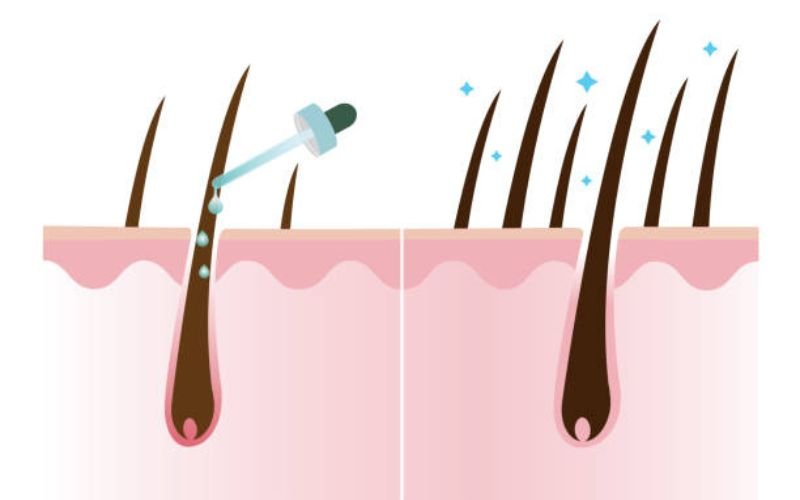
Rosemary oil is commonly used to stimulate hair growth by improving scalp circulation and creating a healthier environment for hair follicles.
Rosemary oil is believed to support hair growth by helping wake up sluggish hair follicles and improving scalp circulation. When the scalp receives better blood flow, follicles have a stronger chance of staying active longer instead of entering the shedding phase too quickly. Over time, this can contribute to reduced hair fall and healthier new strands.
Another important factor is scalp health. Hair often struggles to grow well on an irritated, dry, or poorly nourished scalp. Rosemary oil contains natural compounds that may help calm the scalp and create a cleaner, more balanced surface for follicles to function.
However, results depend heavily on patience. People expecting dramatic changes in one week are often disappointed. Rosemary oil works slowly because it supports the scalp’s natural growth cycle rather than forcing instant regrowth. With regular use over several weeks, many users begin to notice less shedding first, followed by signs of baby hairs and improved thickness.
Rosemary Oil for Hair Growth Results Week by Week
One of the biggest reasons people quit using rosemary oil too early is unrealistic expectations. Many assume they will see dramatic new hair within a few days, but natural scalp treatments work gradually. Rosemary oil supports the hair growth cycle in stages, which means the first visible changes are often subtle before fuller results begin to appear.
Week 1–2: Scalp Feels Healthier
During the first two weeks, most people do not notice new hair yet. Instead, the earliest changes usually happen on the scalp itself. With regular rosemary oil massage, the scalp may begin to feel less dry, less tight, and more comfortable overall. Some users also report reduced itchiness and a fresher scalp sensation.
This stage is important because healthier follicles begin with a calmer scalp environment.
Week 3–4: Less Hair Shedding
By the third or fourth week, some people begin noticing fewer loose hairs during brushing, showering, or styling. This does not mean hair is suddenly growing fast, but it often signals that the follicles are becoming stronger and less likely to release strands prematurely.
Reduced shedding is usually the first encouraging sign that the routine is helping.
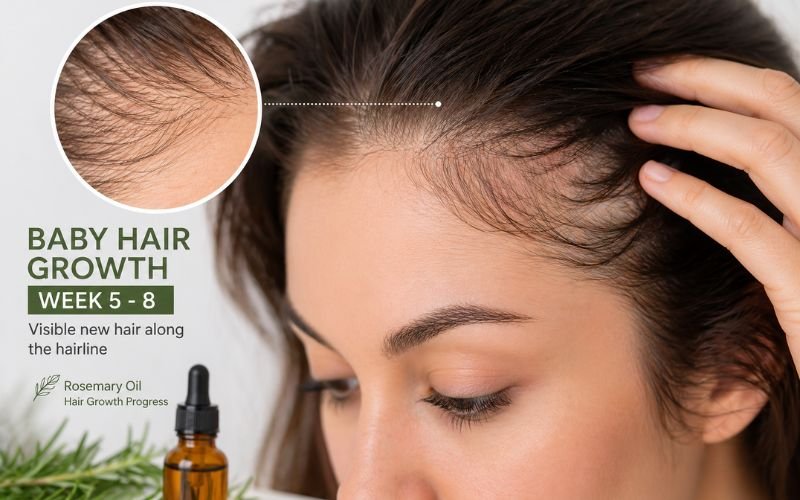
Week 5–8: Small Baby Hairs May Appear
After a month of consistent use, many users begin checking their hairline, part line, or thin spots more closely. This is when tiny baby hairs may start appearing. These new strands are often soft, short, and fine at first.
Not everyone sees dramatic regrowth by this point, but subtle filling-in can begin.
Week 9–12: Visible Thickness Improvements
Around the two- to three-month mark, the most noticeable rosemary oil for hair growth results usually begin to show. Hair may feel fuller, weak areas may look denser, and overall shedding may continue to decrease.
This is the stage where consistency pays off. While rosemary oil does not create instant miracles, steady use often leads to healthier roots and visibly improved hair strength over time.

Before and After Rosemary Oil Hair Growth Results
Before using rosemary oil, many people struggle with common hair concerns such as excessive shedding, thinning edges, weak roots, or a scalp that feels dry and unbalanced. Hair may appear flatter, less dense, and more fragile during styling. Because hair growth happens slowly, these issues often feel frustrating when quick fixes fail to deliver lasting improvement.
After several weeks of consistent rosemary oil use, the changes are usually gradual rather than dramatic overnight transformations. The first noticeable difference for many users is less hair fall during brushing and washing. As the scalp becomes healthier, the roots often feel stronger and the hair begins to look less lifeless.
By the second or third month, some users start seeing fine baby hairs around the hairline or previously sparse areas. In before-and-after comparisons, the most realistic results include slightly fuller edges, improved scalp condition, reduced shedding, and a healthier overall appearance rather than instant long hair.
This realistic timeline is important because rosemary oil works best as a long-term supportive routine, not as an overnight miracle treatment.

How to Use Rosemary Oil for Faster Hair Growth Results
Using rosemary oil the right way is just as important as using it consistently. Many people apply it randomly and then wonder why the results are slow. A simple routine done correctly can make a noticeable difference over time.
First, rosemary essential oil should always be diluted with a carrier oil such as coconut oil, jojoba oil, or castor oil. Essential oils are highly concentrated, and applying them directly may irritate the scalp instead of helping it. A few drops mixed into a tablespoon of carrier oil is usually enough for one application.
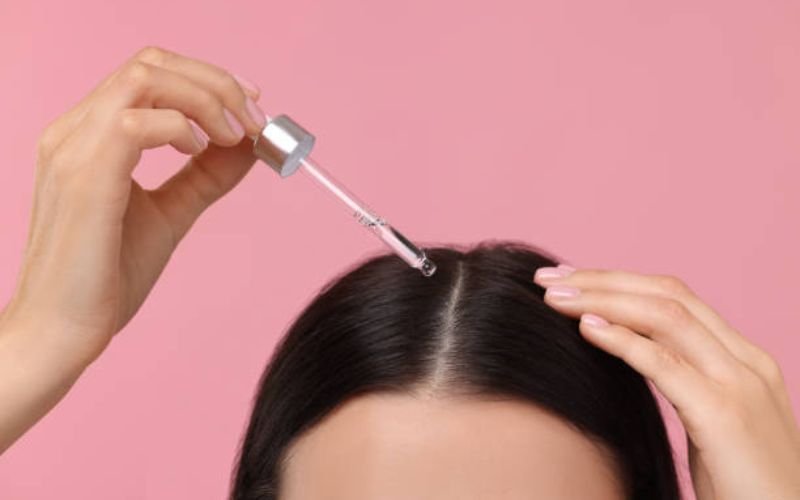
Next, apply the oil mixture directly to the scalp rather than only coating the hair strands. Focus on thin areas, the hairline, and spots where shedding is more noticeable. Once applied, gently massage the scalp for five to ten minutes. This massage helps improve blood flow and allows the rosemary oil to spread more effectively around the follicles.
For best results, use this routine two to four times per week. Leaving the oil on for at least thirty minutes before washing can help the scalp absorb the nourishing compounds. Some people also leave it overnight if their scalp tolerates oils well.
The most important rule is consistency. Occasional use may not produce visible changes, but a regular routine gives the scalp repeated support needed for gradual stronger growth.
Common Mistakes That Slow Down Rosemary Oil Results
Many people give up on rosemary oil too quickly, not because it cannot help, but because small mistakes prevent them from seeing steady progress. Understanding these common errors can save weeks of frustration and help you get more realistic rosemary oil for hair growth results.
One of the biggest mistakes is using it inconsistently. Applying rosemary oil once in a while will not give the scalp enough repeated stimulation to support the hair growth cycle. Natural remedies depend heavily on routine, and skipping applications often slows visible improvement.
Another common mistake is using too much essential oil without dilution. Some people assume stronger means faster, but concentrated rosemary oil can irritate the scalp, leading to dryness or sensitivity that works against healthy follicles. Proper dilution keeps the scalp balanced and comfortable.
Unrealistic expectations are also a major issue. Hair does not become thicker in three days, and new follicles do not produce long strands overnight. Many users stop after one or two weeks simply because they expected dramatic changes too soon.
Finally, some people apply the oil but skip scalp massage. Without massage, the oil sits on the surface without fully encouraging circulation. The combination of rosemary oil plus regular massage is what creates the most supportive environment for gradual visible results.

Who Gets the Best Results with Rosemary Oil?
Rosemary oil tends to work best for people dealing with mild to moderate hair thinning rather than severe medical hair loss. If the hair follicles are still active but weakened, rosemary oil may help create a healthier scalp environment that supports stronger regrowth over time.
People who notice increased shedding from stress, seasonal changes, poor scalp circulation, or weak roots often respond better because the issue is not complete follicle damage but reduced scalp support. In these cases, improving blood flow and nourishing the scalp can make a visible difference in hair strength and density.
It may also be especially helpful for those with thinning edges, sparse hairlines, or areas that have started looking less full due to frequent styling tension. Since rosemary oil is often combined with scalp massage, it can provide gentle stimulation to these weaker zones.
However, people with long-term bald patches, severe hormonal loss, or underlying medical scalp conditions may see slower or more limited results. Rosemary oil works best as a supportive natural treatment when follicles still have growth potential.

(FAQ)
How long does rosemary oil take to show hair growth results?
Most people begin noticing the earliest changes within 4 to 8 weeks of consistent use. The first signs are usually reduced shedding and a healthier scalp, while more visible thickness may appear after 2 to 3 months.
Can rosemary oil regrow bald spots?
Rosemary oil may help support mild thinning areas if the follicles are still active. However, completely bald spots caused by severe follicle damage or medical conditions may require stronger treatment.
How many times a week should I use rosemary oil?
Using diluted rosemary oil two to four times per week is usually enough. Consistency matters more than overusing it.
Can I leave rosemary oil on my scalp overnight?
Yes, many people leave diluted rosemary oil overnight if their scalp tolerates oils well. However, if you have a sensitive scalp, shorter treatments may be more comfortable.
Is rosemary oil better than castor oil for hair growth?
Rosemary oil is often preferred for scalp stimulation and circulation, while castor oil is heavier and mainly helps with moisture retention. Some people combine both for a balanced routine.

Conclusion
Rosemary oil has earned its popularity for a reason—it offers a gentle, natural way to support healthier scalp conditions and gradual stronger hair growth. While it does not produce instant miracles, consistent use often leads to less shedding, healthier roots, and visible baby hairs over time.
The key is understanding that rosemary oil for hair growth results happen in stages. First the scalp improves, then shedding slows, and finally thickness begins to build. When used with patience, proper dilution, and regular scalp massage, it can become a powerful long-term addition to your hair care routine.
Stay consistent, track your progress week by week, and give your follicles the time they need to respond.