

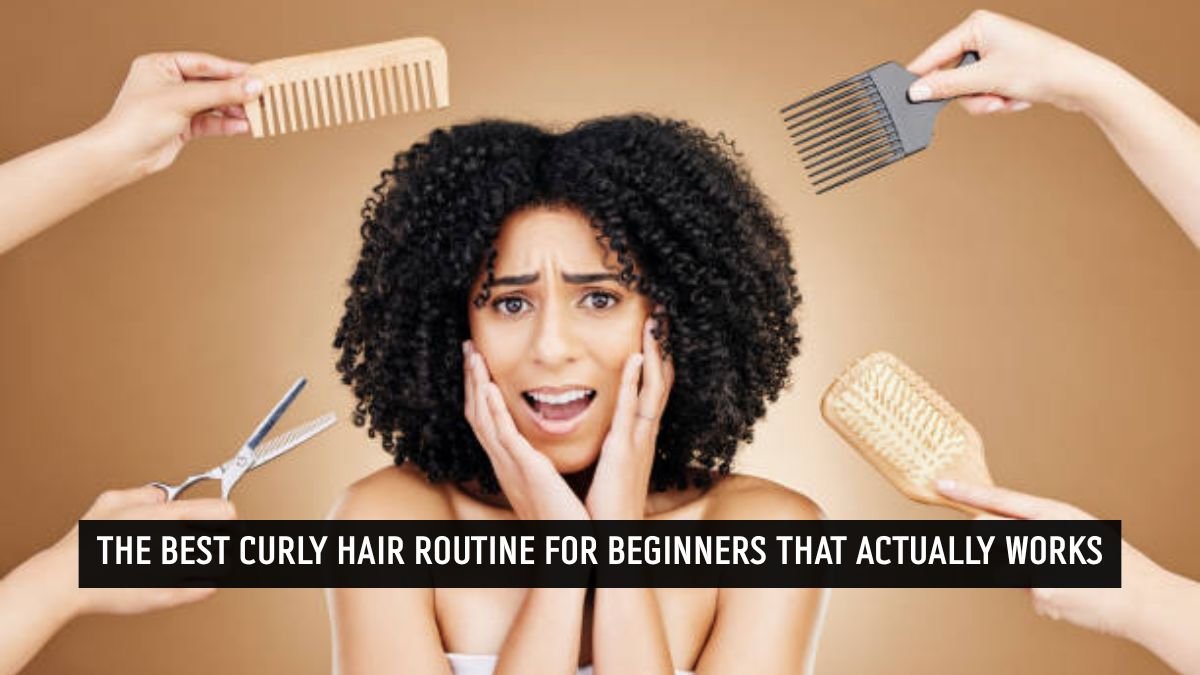
Building a simple natural hair care routine is the first step to managing curly hair without confusion.
Starting a curly hair routine as a beginner can feel overwhelming. One person tells you to use five different creams, another says never brush your curls, and social media is filled with complicated methods that make curly hair care seem harder than it really is. This confusion often leaves beginners buying too many products, trying random techniques, and still ending up with frizz, dryness, or undefined curls.
The truth is that curly hair does not need a hundred products—it needs the right routine. Because curls naturally lose moisture faster than straight hair, they require a gentle system that focuses on hydration, definition, and low-friction styling. Once you understand the correct order of steps, managing curls becomes much easier.
This curly hair routine for beginners will walk you through the exact simple steps needed to wash, moisturize, style, and maintain healthy defined curls without confusion.
Why Curly Hair Needs a Special Routine
Curly hair behaves very differently from straight hair, which is why using a regular hair routine often leads to disappointing results. The natural bends and coils in curly strands make it harder for scalp oils to travel smoothly from the roots to the ends. As a result, curls tend to become dry much faster, especially at the outer layers and tips.
When curly hair lacks moisture, it usually responds with frizz, rough texture, tangling, and loss of curl definition. Many beginners mistake this for damaged hair, but in many cases the real issue is simply that curls are not getting enough hydration or are being handled too roughly.
Curly hair needs consistent moisture and gentle care to stay healthy, and some natural methods are known to stimulate hair growth by improving scalp health over time.
Another reason curly hair needs special care is because brushing, towel drying, or using strong shampoos can easily disturb the curl pattern. Unlike straight hair that falls back into place, curls lose shape when stripped of moisture or pulled apart too aggressively.
A proper curly hair routine focuses on gentle cleansing, deep conditioning, styling on wet hair, and sealing in moisture so curls can form naturally with less puffiness and more bounce. Once beginners switch to this kind of routine, curls often become softer, shinier, and easier to manage.
Curly Hair Routine for Beginners Step by Step
Creating a beginner curly hair routine becomes much easier when you follow the steps in the right order. Instead of guessing which product comes first or why your curls still look dry, focus on building a simple wash-to-style system that helps curls stay moisturized, defined, and less frizzy.
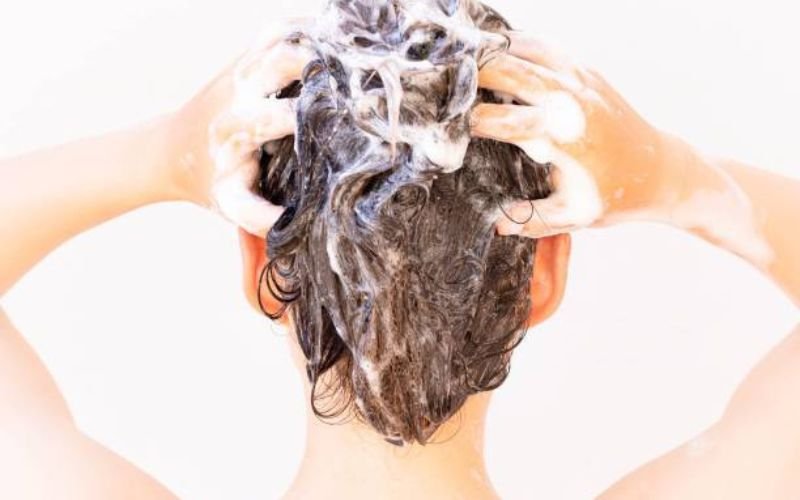
Step 1 – Use a Gentle Sulfate-Free Shampoo
The first step is cleansing the scalp without stripping away all natural moisture. Harsh shampoos with strong sulfates often leave curls feeling rough and overly dry, which makes frizz worse later. A gentle sulfate-free shampoo removes buildup while keeping the hair softer and more balanced.
Focus shampoo mainly on the scalp, then let the lather rinse through the lengths.

Step 2 – Deep Condition for Moisture
After cleansing, curly hair needs moisture immediately. A rich conditioner or deep conditioner helps soften knots, smooth rough strands, and replenish hydration that curls lose quickly.
Apply generously from mid-length to ends and let it sit for several minutes before rinsing lightly. This step creates the softness needed for easier styling.
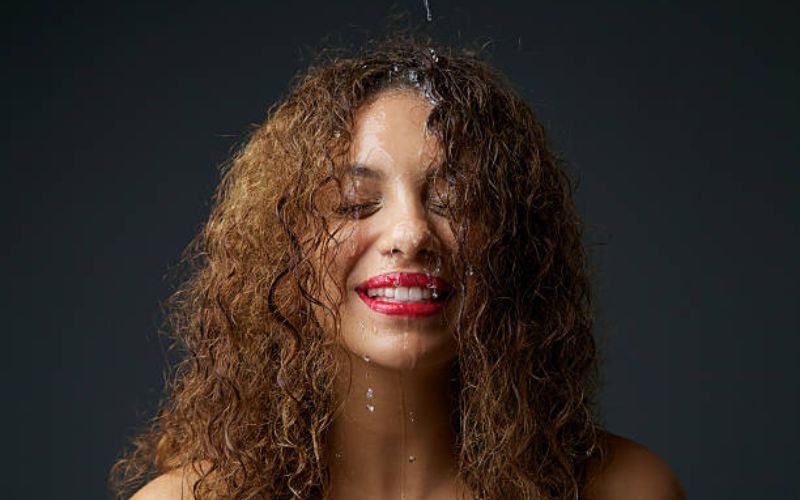
Step 3 – Detangle While Wet
Never wait until curly hair dries to brush it. Dry brushing usually causes breakage, frizz, and a disrupted curl pattern. Instead, detangle curls while they are soaking wet and coated with conditioner.
Use fingers or a wide-tooth comb and work slowly from the ends upward.
Step 4 – Apply Leave-In Conditioner
Once excess water is gently squeezed out, apply a leave-in conditioner to lock in long-lasting hydration. This helps curls stay soft throughout the day and prevents the hair from puffing up as it dries.
Distribute the product evenly using praying hands or fingers.
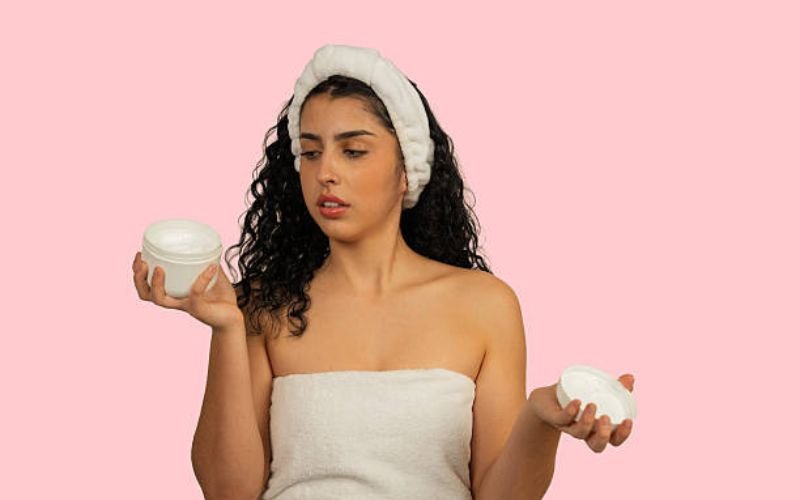
Step 5 – Use Curl Cream or Gel
Now it is time to give curls shape. Curl cream adds softness and definition, while gel helps hold the curl pattern longer and reduce frizz. Beginners do not need heavy amounts—just enough to coat the curls lightly.
Apply products on wet hair for the best clumping effect.
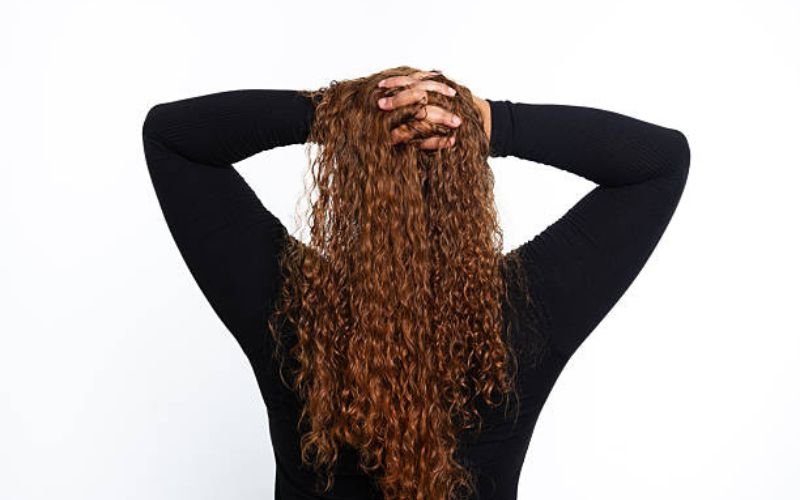
Step 6 – Scrunch and Let Curls Form
After products are applied, gently scrunch the hair upward toward the scalp. This encourages the curls to spring into shape naturally instead of drying stretched out.
At this point, avoid touching the curls too much.
Step 7 – Air Dry or Diffuse Gently
The final step is drying without disturbing the curl pattern. Letting curls air dry is the simplest beginner option, but a diffuser on low heat and low speed can speed things up while preserving bounce.
Once fully dry, lightly fluff the roots if needed, but avoid over-handling the curls.
Beginner Curly Hair Routine on Wash Day
Wash day is the foundation of the entire curly hair routine because the way curls are cleansed, moisturized, and styled on this day affects how they will look for the next several days. Many beginners struggle not because they lack products, but because wash day is rushed or done in the wrong order.
Start by thoroughly soaking the hair with warm water to help loosen buildup and open the strands for moisture. Cleanse the scalp gently with sulfate-free shampoo, focusing mainly on the roots where oil and residue collect. After rinsing, apply a rich conditioner and use this time to slowly detangle the curls while they are slippery and manageable.
Once the hair feels soft and knot-free, rinse lightly but do not remove all of the conditioner softness. Curly hair responds best when it stays very damp during styling. Apply leave-in conditioner first, then your curl cream or gel, making sure each section is coated evenly.
Finish wash day by scrunching the curls upward and letting them air dry or diffuse gently. When wash day is done with enough moisture and minimal rough handling, beginners often notice that curls stay defined much longer with less frizz between washes.
Daily Curly Hair Routine Between Washes
Maintaining curls between wash days is just as important as the wash routine itself. Many beginners notice that their curls look great on day one but become frizzy, flat, or dry the next day. The goal of a daily curly hair routine is not to restyle from scratch, but to gently refresh and preserve the curl pattern.
Start by lightly rehydrating the hair. This can be done using a water spray bottle or a mix of water and a small amount of leave-in conditioner. Focus on the areas that look dry or frizzy rather than soaking the entire head. Once the hair feels slightly damp, gently scrunch the curls to help them spring back into shape.
If needed, apply a small amount of curl cream or gel to redefine sections that lost their form. Avoid using too much product, as buildup can weigh curls down over time. The key is light layering, not starting over.
Protecting curls during sleep also plays a big role in how they look the next day. Using a satin pillowcase or loosely tying the hair up can help reduce friction and prevent frizz.
With a simple refresh routine and minimal handling, curls can stay soft, defined, and manageable for several days without needing frequent washing.
Best Minimal Products for Beginners
One of the biggest mistakes beginners make is thinking they need a long list of products to care for curly hair. In reality, a simple routine with a few well-chosen essentials is often more effective than layering too many formulas. The goal is to keep curls hydrated, defined, and protected without causing buildup or heaviness.
Start with a gentle sulfate-free shampoo to cleanse the scalp without stripping moisture. Follow with a moisturizing conditioner or occasional deep conditioner to keep curls soft and manageable. These two steps create the foundation for healthy hair.
Next comes a leave-in conditioner, which helps maintain hydration after washing and prevents dryness throughout the day. This is especially important for beginners, as curls lose moisture quickly.
For styling, choose either a curl cream for softness and natural definition, or a gel if you want longer hold and less frizz. Some people use both, but beginners can start with one and adjust later based on their results.
Finally, small tools like a wide-tooth comb or a microfiber towel can make a big difference by reducing breakage and minimizing frizz during drying.
With just these basics, beginners can build a consistent routine that keeps curls healthy without unnecessary complexity.

Avoid common mistakes that cause frizz
Common Curly Hair Mistakes Beginners Make
Even with the right products, small habits can make a big difference in how curls look and feel. Many beginners unintentionally damage their curl pattern simply because they follow straight-hair routines or rush through the process.
One of the most common mistakes is brushing curly hair while it’s dry. This breaks up the curl pattern, creates frizz, and can lead to unnecessary breakage. Curls should always be detangled when wet and coated with conditioner.
Another mistake is using too much product. Beginners often think more product equals better definition, but overloading the hair can weigh curls down and make them look greasy or flat. Start with small amounts and build gradually.
If your curls feel dry, using a hair mask for damaged hair can restore moisture and improve texture.
Rough towel drying is also a major cause of frizz. Regular towels create friction that disrupts the curl shape. Instead, gently squeeze out water using a microfiber towel or a cotton T-shirt.
Skipping moisture is another key issue. Curly hair needs consistent hydration, and ignoring conditioner or leave-in products often leads to dryness and puffiness.
Finally, many beginners touch their hair too much while it’s drying. This breaks the curl clumps and causes frizz before the style is even set. Letting curls dry undisturbed is one of the simplest ways to improve definition.
Avoiding these mistakes can instantly make a noticeable difference in how curls look and behave.
How Long Does It Take to Train Your Curls?
Many beginners expect their curls to look perfect within a few days, but curly hair often needs time to adjust to a new routine. If you’ve been using harsh shampoos, brushing your hair dry, or skipping moisture, your curls may take a few weeks to fully respond.
In the first one to two weeks, the main changes are usually subtle. Hair may start to feel softer, slightly less dry, and easier to manage. By weeks three to four, some beginners begin to notice better curl formation, less frizz, and improved definition, especially on wash day.
After one to two months of consistency, the difference becomes more noticeable. Curls may look more uniform, hold their shape longer, and feel healthier overall. This stage is often when people feel more confident with their routine and need fewer adjustments.
“Training” your curls doesn’t mean forcing them into a shape—it means giving them the right conditions consistently so their natural pattern can return. Patience, gentle handling, and regular moisture are what allow curls to improve over time.
(FAQ)
How often should beginners wash curly hair?
Most beginners do well washing their hair 2–3 times per week. Washing too often can dry out curls, while washing too little may cause buildup. Finding a balance depends on your scalp and lifestyle.
Do I need many products for a curly hair routine?
No. Beginners only need a few essentials: shampoo, conditioner, leave-in, and one styling product. Using too many products can make curls heavy and harder to manage.
Can I brush curly hair?
Yes, but only when it is wet and conditioned. Brushing dry curls usually causes frizz, breakage, and loss of definition.
Why is my curly hair still frizzy?
Frizz is often caused by lack of moisture, too much touching, or improper drying. Make sure your hair is well-hydrated and avoid disturbing curls while they dry.
How do I sleep with curly hair?
Use a satin pillowcase or loosely tie your hair up to reduce friction. This helps maintain curl shape and prevents frizz overnight.

Conclusion
Starting a curly hair routine as a beginner doesn’t have to be complicated. With the right steps, a few essential products, and a little patience, curls can become softer, more defined, and easier to manage over time.
Sticking to a consistent daily hair care routine will help your curls stay healthy and defined.
The key is consistency. Focus on gentle cleansing, deep moisture, and minimal handling, and give your curls time to adjust. Instead of chasing perfection, build a simple routine that works for your hair and stick with it.
Healthy, defined curls don’t happen overnight—but with the right routine, they become much easier to achieve.
Геморрой — это повсеместная проблема, требующая своевременного лечения.
Отсутствие симптомов или отсрочка обращения к врачу способно обернуться серьёзными последствиями, такими как выпадение узлов.
Современная проктология располагает многочисленные способы лечения: от щадящих процедур до консервативной поддержки.
———-
Ранняя терапия даёт возможность эффективно устранить болезненные ощущения и восстановить качество жизни.
В случае возникновении первых симптомов (зуд, боль, кровянистые выделения) необходимо как можно скорее записаться к проктологу для диагностики.
Правильное воздействие не только освобождает от физического дискомфорта, но и предотвращает развитию заболевания и необходимости в оперативном вмешательстве.
Дженерик — это медицинский продукт, который имеет то же активное вещество, что и брендовый средство.
Он поступает в продажу после окончания времени действия патента на оригинал.
По своему терапевтическому действию дженерик практически идентичен оригинальному препарату, но имеет цену существенно меньше.
Различия способны затрагивать вспомогательных компонентов — красителей или оболочки капсулы.
До применением аналога необходимо проверить, что концентрация и вид упаковки подходят рекомендациям врача.
В итоге, грамотно подобранный генерический препарат представляет собой доступной альтернативой бренду при сохранении должной эффективности лечения.