

Melanin-rich hair is one of the most unique and beautiful hair types, known for its natural texture, volume, and versatility. However, it is also more prone to dryness, breakage, and frizz compared to other hair types. This is not a flaw in the hair itself, but a result of its structure and the way natural oils travel along the hair shaft.
Many people struggle with melanin hair because they follow generic hair care advice that simply does not work for their texture. True melanin hair care starts with understanding what your hair actually needs—deep moisture, gentle cleansing, and consistent protection.
In this complete guide to melanin hair care , you will learn how to care for your hair the right way. From understanding why melanin-rich hair behaves differently to building a simple, effective routine, this article will help you achieve healthier, stronger, and more manageable natural hair over time.

What is Melanin Hair?
What is Melanin and How Does It Affect Hair?
Melanin is the natural pigment that gives hair its color. In melanin-rich hair, high levels of this pigment not only affect the color but also the hair’s texture. The presence of melanin is commonly associated with various hair patterns, including curly, tangled, and very tangled hair. While melanin itself does not cause dryness, the structural characteristics often associated with melanin-rich hair play a key role in moisture retention.
Structural Characteristics of Melanin-Rich Hair
Melanin hair typically grows in spirals, coils, or tight curls rather than straight lines. These natural curvatures make it difficult for scalp oils to distribute evenly along the hair shaft. As a result, the ends of the hair are more prone to dryness, friction, and breakage. This structure makes the hair more sensitive, requiring gentle care and a customized routine.
Melanin-Rich Hair vs. Other Hair Types
Unlike straight hair, which retains moisture more easily, melanin-rich hair needs constant hydration to maintain its health. It responds best to hydrating routines, minimal heat styling, and protective styling products. Understanding these differences is crucial, as treating melanin-rich hair like other hair types often leads to dryness, damage, and slower growth, rather than healthy, vibrant hair.
Why Does Melanin Hair Need a Special Care Routine?
The Connection Between Melanin Hair and Dryness
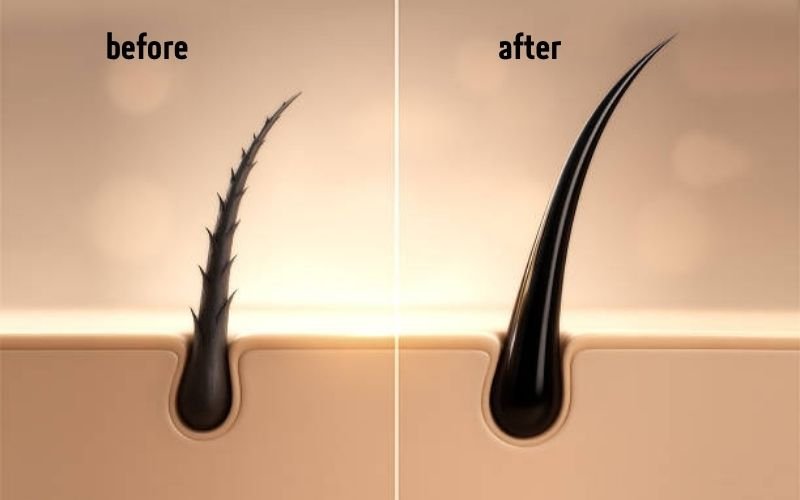
Melanin-rich hair is naturally more prone to dryness because its curls, coils, and bends slow down the movement of natural scalp oils. Unlike straight hair, where oils can easily travel from root to tip, melanin hair often leaves the ends under-moisturized. Without intentional hydration, the hair quickly loses moisture, leading to rough texture and breakage.
Hair Porosity and Moisture Retention
Another key reason melanin hair needs special care is porosity. Many people with melanin-rich hair have medium to high porosity, meaning the hair absorbs moisture quickly but also loses it just as fast. This makes sealing moisture essential. Using the right combination of water-based products, creams, and oils helps lock hydration into the hair shaft for longer periods.
Environmental and Styling Factors
Melanin hair is also more sensitive to environmental stressors such as sun exposure, dry air, and frequent manipulation. Heat styling, tight hairstyles, and harsh chemicals can weaken the hair structure over time. A dedicated routine that prioritizes moisture, protection, and low-manipulation styling is crucial for maintaining strength, elasticity, and long-term hair health.
According to dermatology experts, textured and melanin-rich hair is more prone to dryness due to its structure, which is explained by the
American Academy of Dermatology

Common Problems of Melanin Hair
Dryness
Melanin-rich hair is naturally drier than other hair types due to the unique structure of its curls and coils. The scalp’s natural oils struggle to reach the hair ends, leaving them prone to brittleness and rough texture. Without proper moisture, the hair can become frizzy and difficult to manage.
Breakage
Fragility is a major concern for melanin hair. The bends and twists along the hair shaft create weak points that are susceptible to breakage. Over-manipulation, combing without care, and harsh products can further increase hair breakage, resulting in uneven lengths and slow growth.
Frizz and Lack of Definition
Curly and coily textures tend to expand and separate when dehydrated or exposed to humidity. This causes frizz and reduces curl definition. Using lightweight moisturizers and protective styling can help maintain the shape and smoothness of each curl or coil.
Slow Growth
Although melanin hair grows at a normal rate, breakage and damage often give the impression of slow growth. Consistent care, low manipulation, and protective styling allow hair to retain length and thrive over time.
Scalp Sensitivity
Some individuals with melanin-rich hair experience a dry or sensitive scalp. This can lead to itching, flakiness, or discomfort if the scalp is not properly nourished. Gentle cleansers and scalp treatments are essential for maintaining a healthy foundation for hair growth
For more details on the connection between scalp irritation and hair loss, this guide explains the causes and solutions clearly.
👉 itchy scalp and hair loss
The Best Dark Hair Care Routine (Step-by-Step)
Proper Cleansing
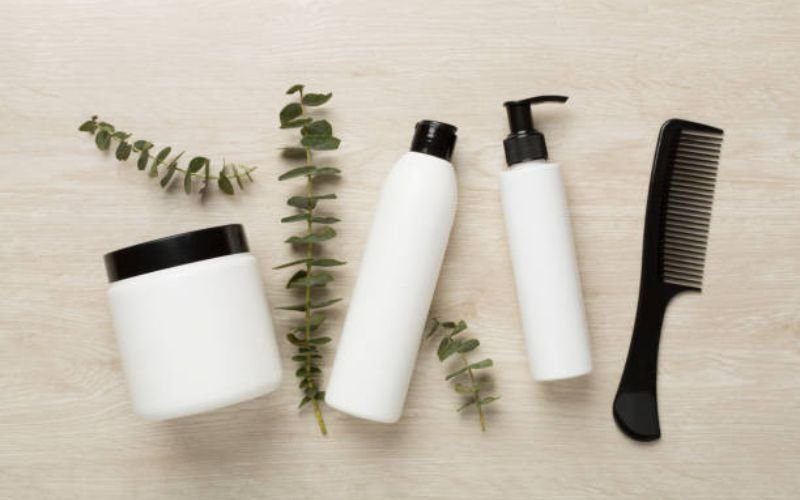
Cleansing is the first step in any effective dark hair care routine. Use a sulfate-free shampoo or a gentle cleansing conditioner to remove dirt, impurities, and excess oil without stripping your hair of its natural moisture. For most dark hair types, washing once a week or every 10 days is sufficient. Overwashing can lead to dryness and frizz.
Deep Conditioning
Deep conditioning provides the intense hydration that dark hair needs. Apply a rich, deep conditioning treatment once a week, focusing on the ends. Look for ingredients like shea butter, aloe vera, and natural oils that penetrate the hair shaft. Leave it on for 20-30 minutes, ideally using heat or covering your hair with a warm towel to enhance absorption.
Daily Moisturizing
Daily moisturizing is essential to prevent dryness and maintain curl definition. Use a water-based leave-in conditioner to lightly moisturize your hair, then apply a cream or butter to lock in moisture. This is often referred to as the liquid-oil-cream method.
Oil Coating
Oil coating helps lock in moisture and protect hair from damaging environmental factors. Natural oils such as castor oil, coconut oil, argan oil, or jojoba oil are examples. Apply a small amount to avoid weighing your hair down, focusing on the mid-lengths and ends.
Protective Hairstyles
Protective hairstyles reduce hair tangling and breakage while promoting growth. Examples include braids, twists, buns, and updos. Change your hairstyles regularly and avoid pulling your hair too tightly, as this can damage your hairline. Even simple, low-maintenance styles make a noticeable difference over time.
This gradual routine ensures that melanin-rich hair is moisturized, strong, and manageable, while reducing breakage and frizz.
Best Ingredients for Melanin Hair
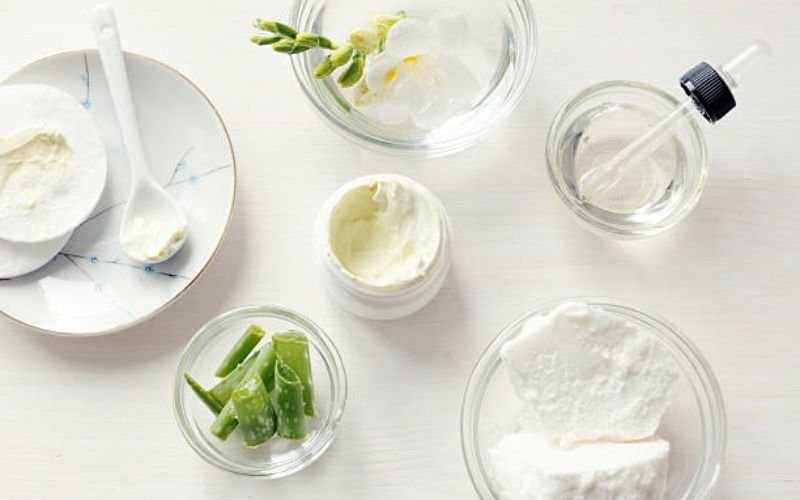
Using the right ingredients is essential for maintaining healthy melanin-rich hair. These ingredients focus on hydration, nourishment, and protection, supporting natural growth and enhancing texture.
Shea Butter
Shea butter is a natural moisturizer and sealant that penetrates the hair shaft, locking in moisture and improving elasticity. It also protects the hair from environmental stressors like sun and pollution.
Aloe Vera
Aloe vera is lightweight yet deeply hydrating. It soothes the scalp, reduces dryness, and promotes hair growth. Its natural enzymes also help remove buildup without stripping essential oils.
Coconut Oil
Castor Oil
Castor oil is rich in ricinoleic acid, which promotes scalp health and stimulates hair growth. It also strengthens strands, making them less prone to breakage.
Glycerin
Glycerin is a humectant that attracts water to the hair, keeping it hydrated and soft. It works best in combination with other moisturizing ingredients and is ideal for maintaining curl definition.
By focusing on these natural ingredients, melanin-rich hair can stay healthy, shiny, and resilient, reducing breakage while enhancing its natural beauty.
Ingredients to Avoid for Melanin Hair
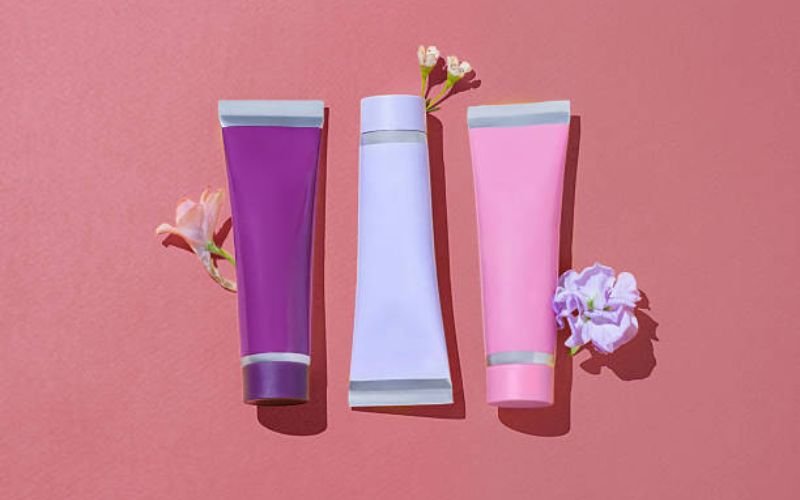
Not all hair products are suitable for melanin-rich hair. Using harsh or inappropriate ingredients can lead to dryness, breakage, and scalp irritation. Here are the main ingredients to avoid:
Sulfates
Sulfates are strong detergents found in many shampoos. While they create a rich lather, they strip the hair of its natural oils, leaving it dry and brittle. Opt for sulfate-free cleansers to maintain moisture balance.
Harsh Alcohols
Short-chain alcohols like isopropyl alcohol or ethanol can dehydrate melanin hair. These are often found in styling gels or sprays and should be avoided in favor of fatty alcohols (like cetyl or stearyl alcohol), which are moisturizing.
Heavy Silicones
Silicones can coat the hair, creating a smooth appearance, but they may build up over time , preventing moisture penetration. If used, make sure to clarify occasionally with a gentle shampoo.
Avoiding these ingredients ensures melanin-rich hair remains hydrated, strong, and healthy while allowing natural products and treatments to work effectively.
Best Oils for Melanin Hair
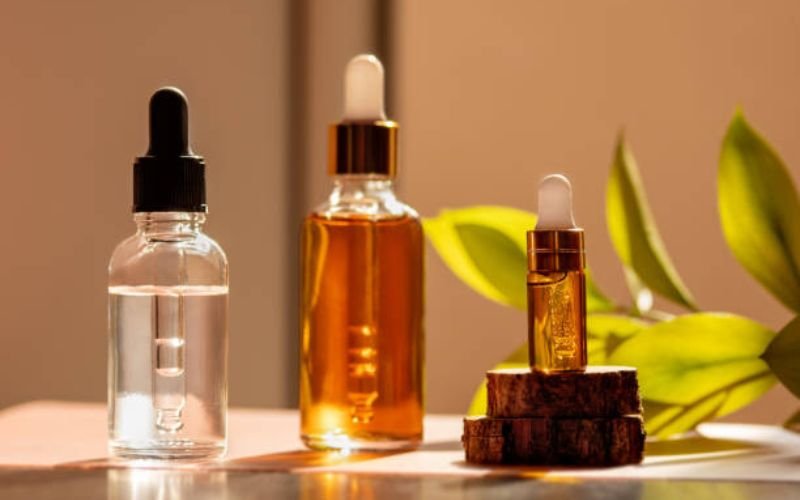
Oils play a crucial role in melanin hair care by sealing in moisture, strengthening strands, and promoting scalp health. Using the right oils can prevent breakage, enhance shine, and maintain curl definition.
Castor Oil
Argan Oil
Argan oil is lightweight yet deeply nourishing. Packed with antioxidants, vitamin E, and fatty acids, it protects the hair from environmental damage, softens strands, and adds natural shine without weighing the hair down.
Coconut Oil
Coconut oil penetrates the hair shaft to prevent protein loss and retain moisture. It’s ideal for pre-poo treatments or sealing hydration after moisturizing. Apply in small amounts on fine hair textures to prevent buildup and keep the hair light and flexible.
Jojoba Oil
Jojoba oil closely resembles the scalp’s natural sebum, making it excellent for moisturizing without buildup. It helps smooth the hair, reduces frizz, and supports overall hair elasticity.
Regularly incorporating these oils into your routine can keep melanin-rich hair healthy, hydrated, and strong, while enhancing its natural texture and beauty.
Weekly & Monthly Hair Care Schedule for Melanin Hair
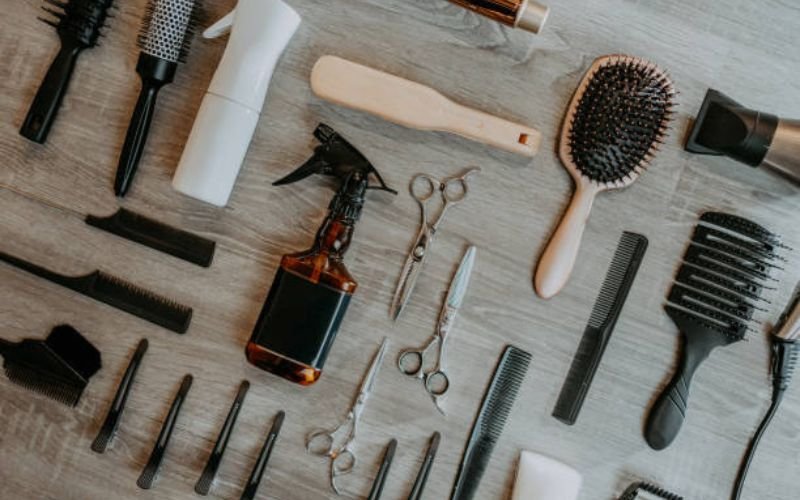
Maintaining melanin-rich hair requires a consistent routine that balances cleansing, moisturizing, and protective styling. Here’s a practical schedule to follow:
Weekly Routine
Wash: Use a gentle, sulfate-free shampoo or cleansing conditioner once a week to remove buildup without stripping natural oils.
Deep Condition: Apply a rich deep conditioner for 20–30 minutes to restore moisture and strengthen strands.
Moisturize & Seal: After washing, use a leave-in conditioner followed by natural oils (castor, argan, or jojoba) to lock in hydration.
Styling: Opt for low-manipulation styles like twists, braids, or buns to reduce breakage.
Daily Routine
Moisturize: Lightly spritz with water or a water-based leave-in daily, then apply a cream or butter to maintain curl definition.
Protect: Cover hair at night with a satin scarf or bonnet to prevent friction and moisture loss.
Monthly Routine
Clarify: Use a gentle clarifying shampoo once a month to remove product buildup.
Trim: Trim the ends every 6–8 weeks to prevent split ends and maintain healthy growth.
Scalp Treatment: Massage the scalp with oils to stimulate circulation and promote hair health.
Following this structured schedule ensures melanin-rich hair remains hydrated, strong, and resilient, supporting both growth and overall hair health.
Common Mistakes That Damage Melanin Hair
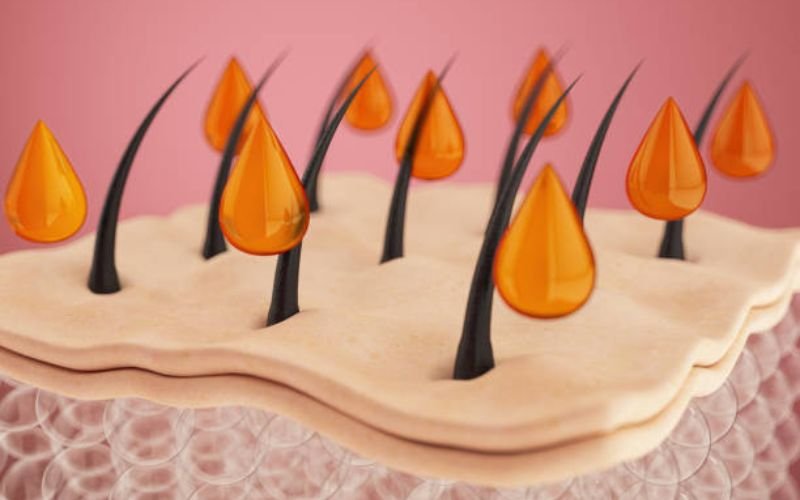
Even with the best intentions, certain habits can unintentionally harm melanin-rich hair. Avoiding these mistakes is key to maintaining healthy, strong, and manageable hair.
Overwashing
Washing too frequently strips natural oils, leaving hair dry and brittle. Stick to a once-a-week or every-10-days schedule depending on your hair type and lifestyle.
Neglecting Moisture
Skipping daily hydration can quickly lead to dryness and frizz. Using a leave-in conditioner or water-based moisturizer daily helps maintain softness and curl definition.
Excessive Heat
Frequent use of flat irons, blow dryers, or curling tools weakens the hair shaft and causes breakage. Reduce the use of heat tools and always apply a protective barrier to shield hair from thermal damage.
Hairstyles that pull too tightly on the hairline, like tight braids or ponytails, can cause traction alopecia and damage follicles. Opt for looser, protective styles.
Ignoring Trims
Neglecting regular trims allows split ends to travel up the hair shaft, increasing breakage. Schedule trims every 6–8 weeks to keep ends strong, prevent split ends, and maintain overall hair health.
By avoiding these common mistakes, melanin hair remains hydrated, resilient, and beautifully defined.
(FAQ)
How often should I wash melanin-rich hair?
Melanin hair is naturally drier, so washing once a week or every 10 days is usually sufficient. Overwashing can strip natural oils, causing dryness and frizz.
Can I use oils on melanin hair daily?
Yes, but it’s best to lightly seal in moisture with oils like castor, argan, or jojoba. Daily use should be moderate to avoid weighing the hair down.
Are all curly hair types considered melanin hair?
Not necessarily. While many curly, coily, or kinky hair textures contain higher melanin levels, melanin-rich hair refers specifically to hair with higher pigmentation and structural characteristics that require targeted care.
What is the best way to promote growth in melanin hair?
Can heat styling damage melanin-rich hair?
Yes, excessive heat can weaken the hair shaft and lead to breakage. Always use a heat protectant and limit heat styling to maintain strength and elasticity.
Which ingredients should I avoid?
Avoid sulfates, harsh alcohols, and heavy silicones, as they strip moisture or cause buildup. Stick to nourishing, natural ingredients for best results.

Conclusion
Caring for melanin-rich hair requires understanding its unique structure and needs. By following a consistent routine that emphasizes gentle cleansing, deep hydration, proper sealing, and protective styling, you can maintain healthy, strong, and beautifully defined hair. Avoiding harsh ingredients and common mistakes ensures that your hair retains moisture, resists breakage, and grows to its full potential.