

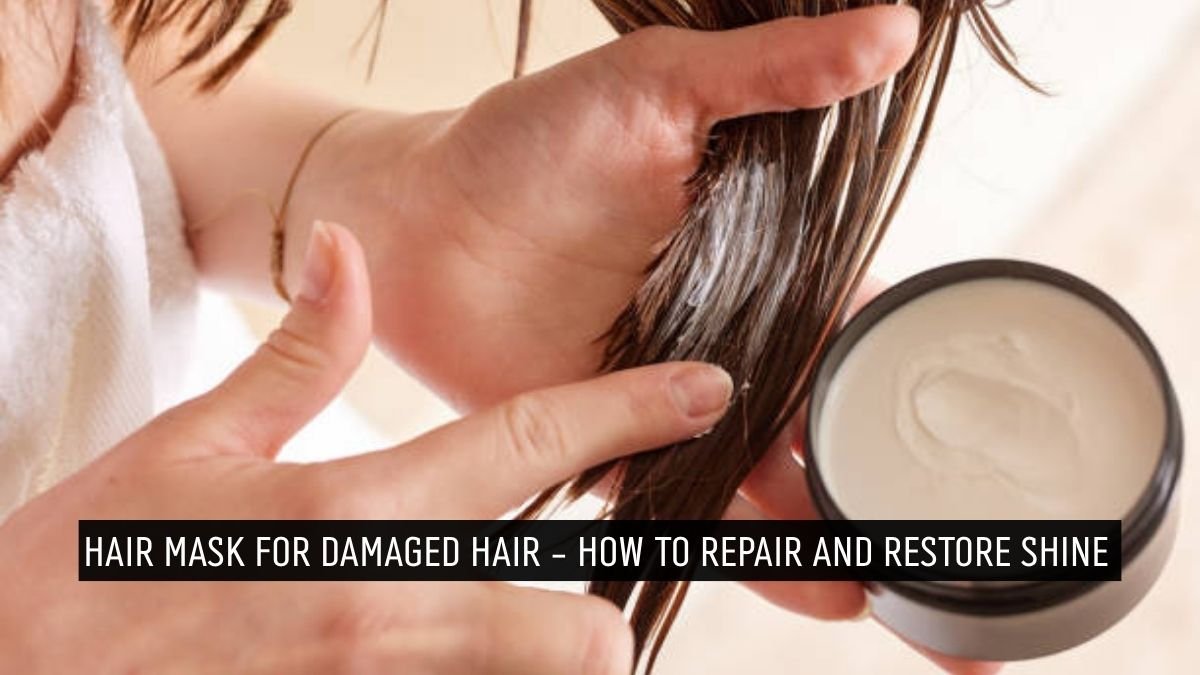
Hair damage is one of the most common concerns in modern hair care. Frequent heat styling, chemical treatments, environmental exposure, and improper routines can weaken hair over time, leaving it dry, brittle, and prone to breakage. When hair loses its natural moisture and strength, repairing it requires more than regular shampoo or conditioner—this is where a hair mask for damaged hair becomes essential.
Damaged hair often leads to split ends, a condition scientifically known as trichoptilosis, which weakens the hair shaft and reduces its ability to retain moisture.
Hair masks are designed to deliver concentrated nutrients that penetrate deeper into the hair shaft, helping restore hydration, improve elasticity, and reduce visible damage. Unlike everyday conditioners, a well-formulated hair mask works at a deeper level, targeting the areas that need repair the most. Whether your hair is damaged from coloring, heat tools, or general dryness, the right hair mask can make a noticeable difference in texture and appearance.
In this guide, you’ll learn what causes hair damage, how hair masks work, and which ingredients truly support repair. You’ll also discover how to use hair masks correctly and how to choose the best option for your hair type, allowing you to rebuild healthier, stronger hair over time.

What Causes Hair Damage?
Understanding what causes hair damage is the first step toward choosing the right hair mask for damaged hair. Damage doesn’t happen overnight—it builds gradually as hair is exposed to stress, harsh treatments, and daily habits that weaken its structure. Once the hair cuticle becomes compromised, moisture escapes easily, leaving strands dry, fragile, and dull.
Common Reasons for Hair Damage
One of the most common causes of hair damage is frequent heat styling. Tools like flat irons, curling wands, and blow dryers strip moisture from the hair when used regularly or at high temperatures. Chemical treatments, including coloring, bleaching, and relaxing, also break down the hair’s natural protein structure, making it weaker over time.
Environmental factors play a role as well. Sun exposure, pollution, wind, and even hard water can gradually wear down the hair cuticle. In addition, improper hair care habits—such as over-washing, aggressive brushing, or using products that are too harsh—can accelerate damage, especially for already dry or processed hair.
Signs Your Hair Is Damaged
Damaged hair often shows clear warning signs. Dryness and rough texture are usually the first indicators, followed by increased breakage and split ends. Hair may feel stiff, look dull, or lose its natural elasticity, snapping easily instead of stretching slightly.
Another common sign is difficulty retaining moisture. If your hair feels dry again shortly after conditioning, it may be damaged and unable to hold hydration. Recognizing these signs early allows you to address the problem with targeted treatments—such as a nourishing hair mask—before the damage becomes more severe.
How Hair Masks Help Repair Damaged Hair
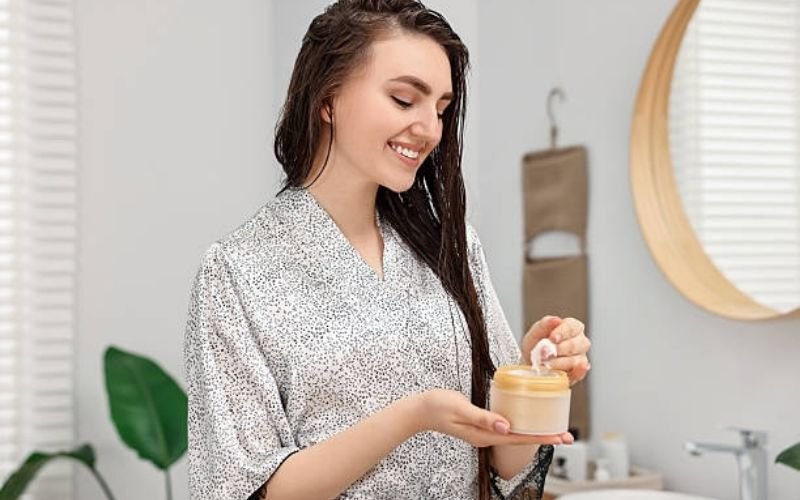
A hair mask for damaged hair works by delivering intensive nourishment where the hair needs it most. When hair becomes damaged, its outer layer (the cuticle) lifts or breaks, allowing moisture and protein to escape. Hair masks are formulated with richer, more concentrated ingredients than regular conditioners, helping to temporarily fill gaps in the cuticle and improve the hair’s overall strength and appearance.
How Hair Masks Work
Hair masks penetrate deeper into the hair shaft to provide long-lasting hydration and support repair. Moisturizing ingredients help replenish lost water, while strengthening components improve elasticity and reduce breakage. With consistent use, hair masks can make damaged hair feel softer, smoother, and more manageable.
Unlike quick rinse-out products, hair masks are designed to stay on the hair longer, allowing active ingredients time to work. This extended contact helps restore flexibility and enhances shine, especially for hair that feels dry, brittle, or overprocessed.
Hair Mask vs. Conditioner
While conditioners are essential for daily maintenance, they mainly smooth the hair’s surface and make detangling easier. A hair mask, on the other hand, provides deeper care by targeting internal damage and long-term dryness. Think of conditioner as regular upkeep and a hair mask as a repair-focused treatment.
For damaged hair, using both correctly creates balance. Conditioner maintains softness after every wash, while a hair mask delivers the deeper nourishment needed to improve hair health over time.
Best Ingredients in a Hair Mask for Damaged Hair
Choosing the right ingredients is essential when treating damaged hair. A hair mask for damaged hair should focus on restoring moisture, improving strength, and protecting the hair from further breakage. Understanding which ingredients truly help repair hair allows you to select treatments that deliver visible, long-term results rather than temporary softness.
Moisturizing Ingredients
Moisture is the foundation of healthy hair, especially when dealing with damage. Ingredients like shea butter deeply nourish dry strands, helping to soften hair and improve flexibility. Coconut oil is another powerful moisturizer that penetrates the hair shaft, reducing protein loss and improving overall texture. **Aloe vera** is valued for its soothing and hydrating properties, helping hair retain moisture while adding a natural shine.
These moisturizing ingredients work together to replenish lost hydration, making hair easier to manage and less prone to breakage. For severely dry or brittle hair, moisture-rich masks are often the first step toward recovery.
Repair and Strengthening Ingredients
Damaged hair also needs strength to prevent further breakage. **Keratin** and protein-based ingredients help reinforce weakened hair strands by temporarily filling in damaged areas of the hair structure. This improves elasticity and reduces snapping during brushing or styling.
Natural oils, such as argan or jojoba oil, support repair by sealing in moisture and smoothing the cuticle. When combined with proteins, these ingredients help restore balance—adding strength without making hair stiff. A well-formulated hair mask blends both moisture and strengthening elements, giving damaged hair the support it needs to look healthier and feel stronger over time.
Homemade Hair Mask for Damaged Hair
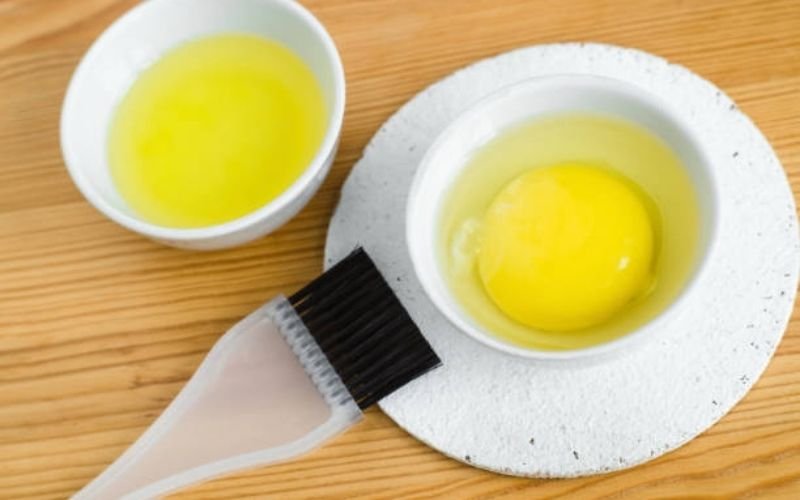
Homemade hair masks are a popular option for treating damaged hair, especially for those who prefer natural care or want full control over the ingredients they use. A homemade hair mask for damaged hair can provide effective nourishment using simple ingredients often found at home, while avoiding unnecessary additives or harsh chemicals.
Benefits of DIY Hair Masks
One of the main benefits of homemade hair masks is ingredient transparency. You know exactly what goes into the mask, which makes it easier to avoid irritants and tailor the treatment to your hair’s needs. DIY masks are also cost-effective and can be adjusted depending on whether your hair needs more moisture, softness, or strength.
Another advantage is flexibility. Homemade masks can be customized for different types of damage, whether caused by dryness, heat styling, or chemical treatments. When used correctly, they can support healthier-looking hair and improve manageability over time.
Easy Homemade Mask Ideas
For dry or brittle hair, a simple mask made with moisturizing ingredients like natural oils and creamy textures helps restore softness and shine. For heat-damaged hair, combining hydrating elements with gentle strengthening ingredients can improve elasticity and reduce breakage.
While homemade masks can be beneficial, consistency is key. Using them regularly and pairing them with proper hair care habits will lead to better, more noticeable results.
How to Use a Hair Mask Correctly
Using a hair mask correctly is just as important as choosing the right one. Even the best hair mask for damaged hair won’t deliver results if applied improperly. Understanding the right techniques ensures maximum absorption of nutrients, protection of the hair, and visible improvement in texture and strength.
Step-by-Step Application
1. Start with clean hair: Wash your hair with a gentle shampoo to remove buildup, allowing the mask to penetrate effectively.
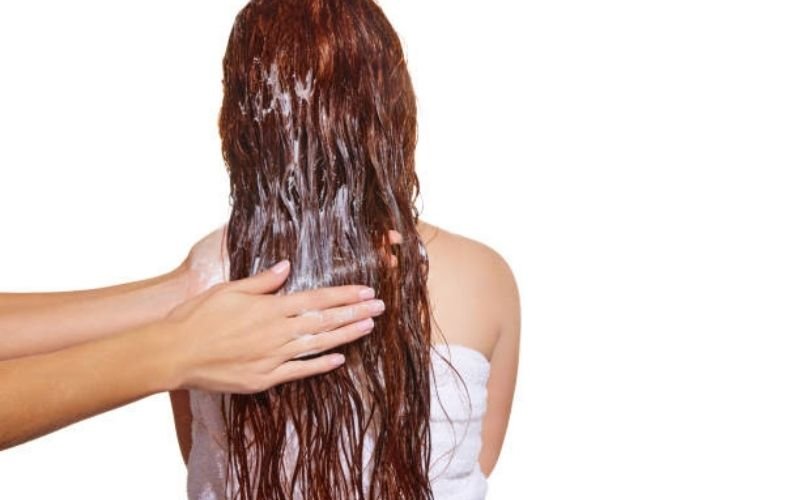
2. Apply evenly: Section your hair and apply the mask from mid-lengths to ends, which are usually the most damaged areas. Avoid applying too much directly on the scalp unless the mask is specifically designed for root care.
3. Massage gently: Lightly massage the mask into your hair to encourage even distribution and improve blood flow to the scalp if included.
4. Leave for the recommended time: Most masks require 10–20 minutes to work effectively. For deeper repair, some masks can be left longer, but always follow the product instructions.
5. Rinse thoroughly: Use lukewarm water to rinse out the mask completely, ensuring no residue remains, which could weigh hair down.
Common Mistakes to Avoid
Overuse: Applying a mask too frequently can lead to greasy hair or protein overload, which can make hair stiff.
Skipping sectioning: Not dividing hair into sections can cause uneven application and less effective treatment.
Using the wrong water temperature: Hot water can strip moisture, reducing the mask’s benefits.
Correct usage maximizes the mask’s repairing potential, leaving hair soft, shiny, and more resilient against future damage.
How Often Should You Use a Hair Mask?
Knowing how often to use a hair mask is crucial for achieving healthy results without overloading your hair. The ideal frequency depends on your hair type, the level of damage, and the type of mask you are using.
For mildly damaged or dry hair , using a hair mask once a week is usually sufficient to maintain moisture and softness. For moderately to severely damaged hair , applying a hair mask 2–3 times per week can help restore strength and prevent further breakage. However, it’s important to follow the instructions on the product or recipe to avoid protein overload or excessive buildup.
Different masks have different formulations. Moisturizing masks can typically be used more frequently, while protein-heavy masks should be applied less often to avoid making hair stiff. Listening to your hair’s response and adjusting frequency accordingly will give you the best results.
By finding the right balance, hair masks can significantly improve texture, shine, and overall hair health, making damaged hair softer, more manageable, and resilient over time.
FAQs
Here are some common questions people have about using hair masks for damaged hair, along with expert answers to guide you:
Can hair masks repair split ends?
Hair masks cannot fully repair split ends, but they can temporarily smooth and strengthen the hair, reducing breakage and improving appearance until a trim is done.
Are hair masks safe for colored hair?
Yes! Many hair masks are formulated to be color-safe. Choosing a mask with moisturizing and protein-rich ingredients helps maintain color vibrancy while repairing damage.
Can I leave a hair mask overnight?
Some masks are safe to leave overnight, especially those with natural oils and no harsh chemicals. Always check product instructions and protect your pillow with a towel.
When will I see results?
Visible improvements, like softer and shinier hair, are usually noticeable after 2–3 uses. Consistent application over weeks provides deeper repair and stronger hair.
Can I use a hair mask on fine hair?
Yes, but choose lightweight, non-greasy formulas to avoid weighing hair down. Apply mainly to mid-lengths and ends rather than the scalp.
Conclusion
Hair masks for damaged hair are a powerful solution for restoring moisture, strength, and shine. By choosing the right mask and using it consistently, you can repair damage caused by heat, chemical treatments, and environmental stress. The key is understanding your hair type, selecting ingredients that nourish and strengthen, and applying the mask correctly for maximum benefit.
Consistency matters: regular use, combined with proper hair care habits, ensures long-term improvement in hair health. Small steps—like leaving the mask for the recommended time, avoiding overuse, and pairing it with gentle shampoos and conditioners—can make a noticeable difference in texture and manageability.
Whether you opt for a store-bought hair mask or a homemade DIY option , the right treatment can transform dry, brittle strands into soft, resilient, and vibrant hair. Start incorporating a hair mask into your routine and enjoy healthier, stronger hair that looks and feels amazing.