

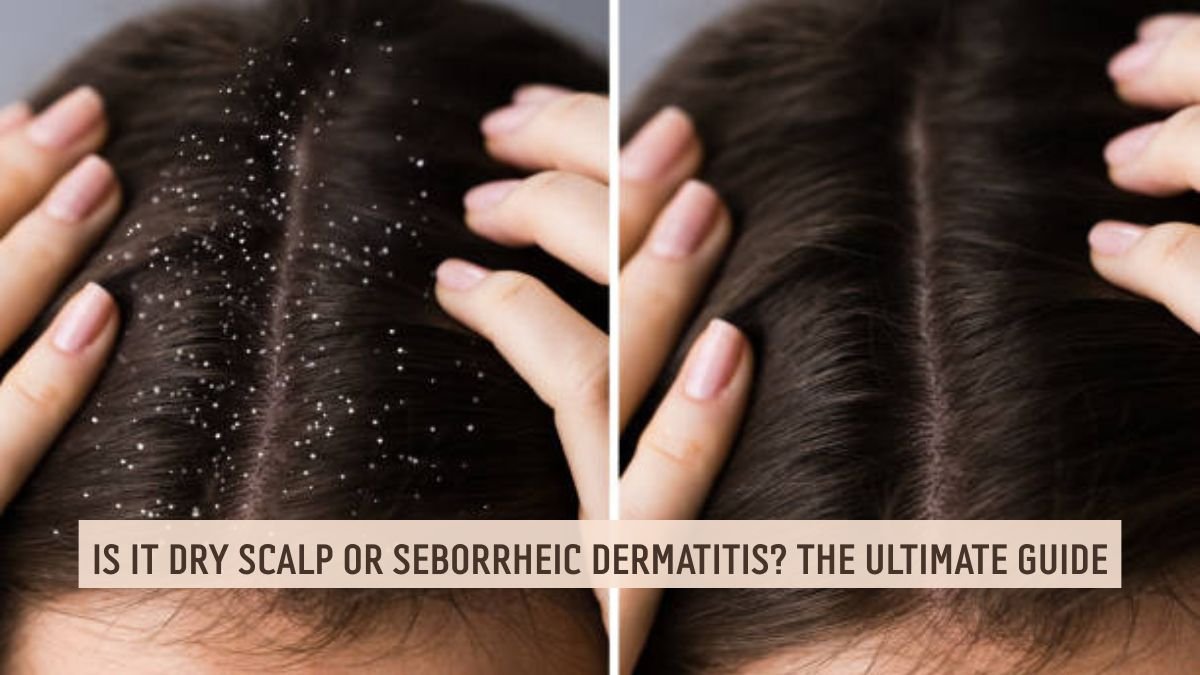
Scalp problems are more common than many people realize. Millions of people experience itching, flaking, or irritation on their scalp at some point in their lives. Two of the most frequently confused conditions are dry scalp and seborrheic dermatitis. While they may look similar at first glance, they are actually very different issues with different causes and treatments.
Many people assume that flakes on the scalp automatically mean dandruff, but that is not always the case. In reality, a flaky scalp can be the result of simple dryness or a more complex skin condition. Misidentifying the problem often leads to using the wrong products, which can make symptoms worse instead of better.
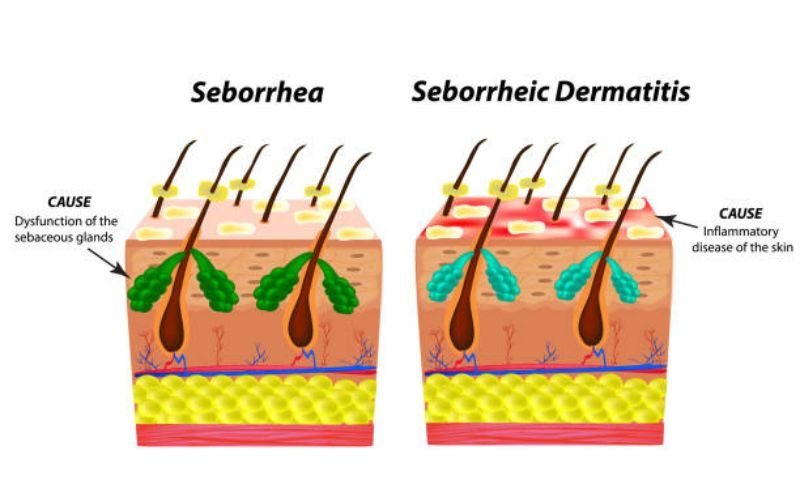
Understanding the difference between dry scalp vs seborrheic dermatitis is essential for choosing the right hair care routine and treatment. A dry scalp usually occurs when the skin lacks moisture, leading to small white flakes and mild itching. Seborrheic dermatitis, on the other hand, is linked to excess oil and the growth of certain microorganisms on the scalp, which can cause redness, greasy flakes, and more intense irritation.
Because the symptoms sometimes overlap, many people struggle to determine which condition they actually have. Learning how to recognize the signs of each problem can help you treat the root cause instead of simply masking the symptoms.
In this guide, you will discover the main differences between dry scalp and seborrheic dermatitis, their causes, symptoms, and the most effective ways to manage each condition for a healthier scalp and stronger hair.
What Is Dry Scalp?
Dry scalp happens when the skin on the scalp lacks enough natural moisture to stay balanced and healthy. Similar to dry skin on other areas of the body, the scalp can become tight, irritated, and flaky when it loses hydration.
Common Symptoms of Dry Scalp
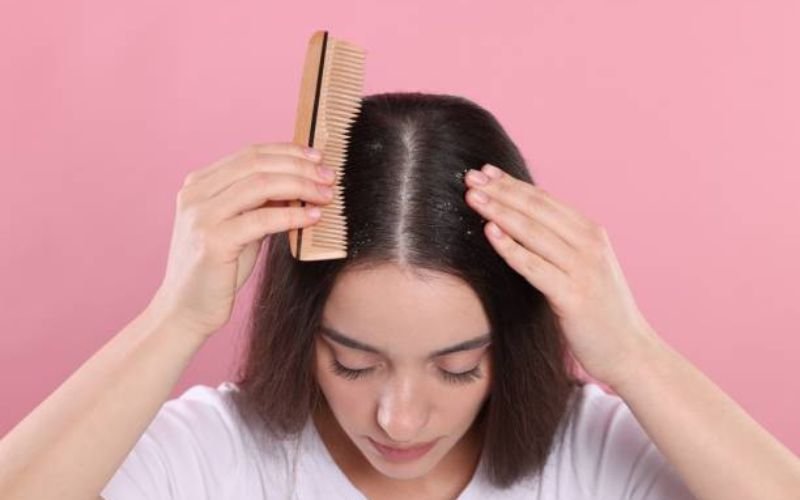
One of the most noticeable signs is the appearance of small, dry white flakes that may fall onto the shoulders. These flakes are usually lightweight and powdery rather than oily. The scalp may also feel tight or mildly itchy, especially during cold seasons or in dry environments.
What Causes Dry Scalp?
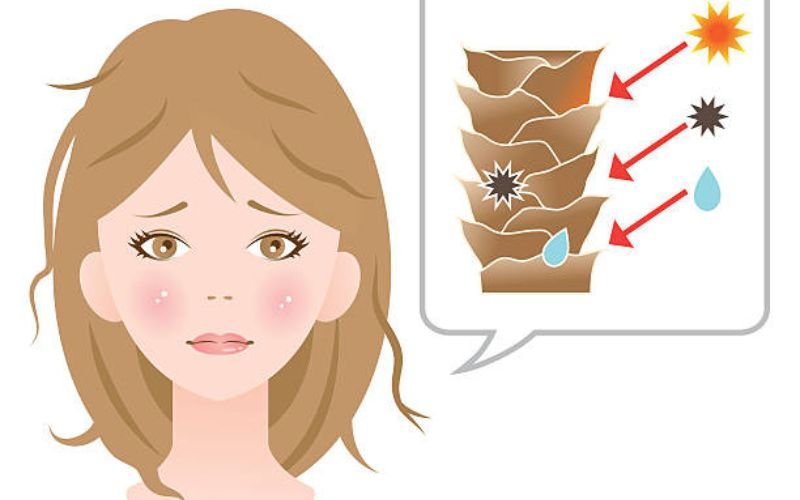
Several factors can contribute to scalp dryness. Cold weather and low humidity often reduce moisture in the skin, which can leave the scalp feeling dehydrated. Frequent washing with harsh shampoos, using strong styling products, or washing hair with very hot water can also strip away the natural oils that protect the scalp.
In addition, people who naturally have dry skin may experience dryness on their scalp as well. Lack of hydration, certain hair treatments, and environmental stressors can all make the problem worse.
How to Manage Dry Scalp
Fortunately, dry scalp is usually manageable with simple care habits. Using gentle moisturizing shampoos, applying nourishing scalp oils, and maintaining proper hydration can help restore moisture and comfort. When the scalp receives enough hydration, flakes and irritation often decrease significantly.
What Is Seborrheic Dermatitis?
Seborrheic dermatitis is a chronic scalp condition that causes inflammation, redness, and persistent flaking. Unlike simple dryness, this condition is commonly linked to an overgrowth of yeast that naturally lives on the scalp.
Symptoms of Seborrheic Dermatitis
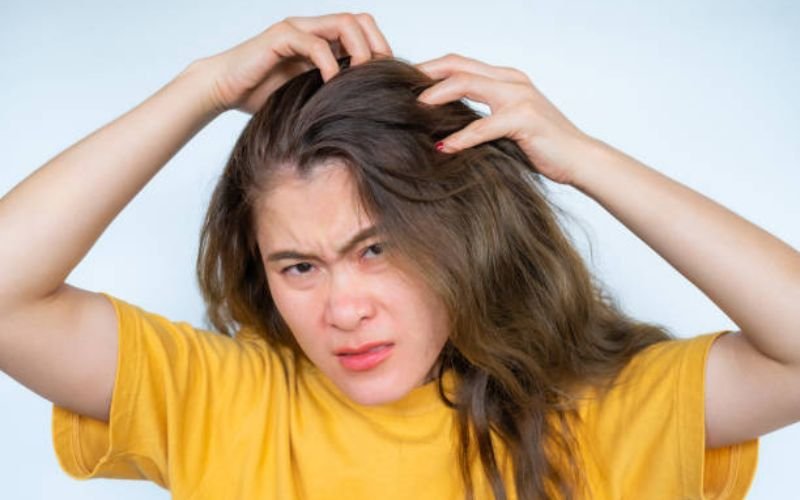
People with seborrheic dermatitis often notice larger, greasy flakes that may appear yellowish or oily. The scalp can also become red, irritated, and intensely itchy. In some cases, the condition may extend to other oily areas of the body such as the eyebrows, sides of the nose, or behind the ears.
Why Seborrheic Dermatitis Happens
Although the exact cause is not fully understood, experts believe that seborrheic dermatitis is related to a combination of factors, including excess scalp oil, sensitivity to yeast on the skin, and immune system responses. Stress, hormonal changes, and certain weather conditions may also trigger flare-ups.
Managing Seborrheic Dermatitis
Treatment typically focuses on controlling the yeast and reducing inflammation. Medicated shampoos containing antifungal ingredients are often recommended to help balance the scalp environment. Regular scalp care and proper hair hygiene can also help reduce symptoms and prevent frequent flare-ups.
Dry Scalp vs Seborrheic Dermatitis: Key Differences
Although dry scalp and seborrheic dermatitis can both cause flakes and itching, they are fundamentally different conditions. Understanding these differences is essential because each condition requires a different treatment approach. Misidentifying the problem may lead to using the wrong products, which can worsen symptoms rather than improve them.
Below is a simple comparison that highlights the key differences between the two scalp conditions.
Comparison Between Dry Scalp and Seborrheic Dermatitis
| Feature | Dry Scalp | Seborrheic Dermatitis |
|---|---|---|
| Main Cause | Lack of moisture in the scalp | Overgrowth of yeast and excess oil |
| Flake Appearance | Small, dry, white flakes | Larger, greasy, yellowish flakes |
| Scalp Condition | Tight, dry, sometimes mildly itchy | Red, inflamed, and very itchy |
| Oil Levels | Usually low oil production | Often linked to oily scalp |
| Severity | Usually mild and temporary | Can be chronic with flare-ups |
| Treatment | Moisturizing shampoos and scalp hydration | Medicated antifungal shampoos |
Why These Conditions Are Often Confused
Many people assume that all flakes are simply dandruff or dryness. However, seborrheic dermatitis can look similar to dry scalp in its early stages. The confusion often happens because both conditions involve itching and visible flakes.
The main difference lies in the type of flakes and the condition of the scalp. Dry scalp flakes are typically powdery and dry, while seborrheic dermatitis flakes are often oily and accompanied by redness or irritation.
Why Correct Diagnosis Matters
Treating the wrong condition can make symptoms worse. For example, using strong medicated shampoos on a dry scalp may strip away even more moisture and increase irritation. On the other hand, simply moisturizing the scalp will not effectively control seborrheic dermatitis because the condition often requires antifungal treatment.
Learning to recognize these differences allows you to choose the right scalp care routine and maintain healthier hair over time.
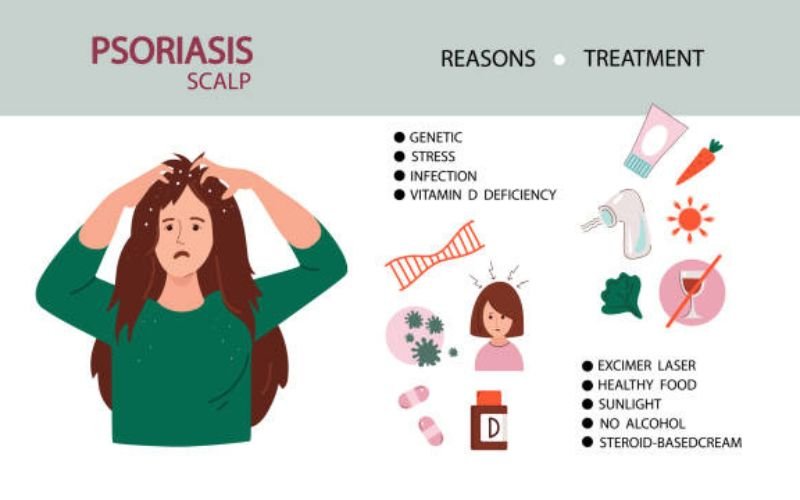
What Causes Dry Scalp and Seborrheic Dermatitis?
Although dry scalp and seborrheic dermatitis may appear similar at first, their underlying causes are very different. Understanding what triggers each condition can help you choose the right treatment and prevent recurring scalp problems.
Causes of Dry Scalp
Dry scalp mainly occurs when the scalp loses moisture and natural oils. When the skin barrier becomes dehydrated, it can lead to flaking, itching, and irritation.
Several factors may contribute to this condition:
Cold and dry weather:
Low humidity during winter months often reduces moisture in the air, which can dry out the scalp.
Harsh hair products:
Shampoos containing strong sulfates or alcohol-based styling products can strip the scalp of its natural oils.
Frequent washing:
Washing hair too often, especially with hot water, may remove the protective oils that keep the scalp hydrated.
Dehydration:
Not drinking enough water can affect skin hydration throughout the body, including the scalp.
Naturally dry skin:
People who experience dry skin on their face, arms, or legs may also develop dryness on their scalp.
H3: Causes of Seborrheic Dermatitis
Seborrheic dermatitis is more complex and is usually linked to a combination of biological and environmental factors.
Yeast overgrowth:
A naturally occurring yeast on the scalp can multiply excessively and trigger inflammation and flaking.
Excess oil production:
Oily skin creates an environment where yeast can grow more easily, which may worsen symptoms.
Hormonal changes:
Hormonal fluctuations can affect oil production in the scalp and contribute to flare-ups.
Stress and poor sleep:
Lifestyle factors such as chronic stress or lack of sleep can weaken the body’s ability to regulate inflammation.
Weather changes:
Cold weather and seasonal transitions are known to trigger seborrheic dermatitis symptoms in many people.
Shared Triggers That Can Worsen Both Conditions
While their causes differ, some triggers can make both dry scalp and seborrheic dermatitis worse. These include using unsuitable hair products, poor scalp hygiene, extreme weather conditions, and lifestyle factors like stress.
By identifying these triggers early, you can adjust your hair care routine and protect your scalp from ongoing irritation.
How to Treat Dry Scalp vs Seborrheic Dermatitis
Treating scalp flakes effectively starts with identifying the correct condition. Since dry scalp and seborrheic dermatitis have different causes, they require different treatment strategies. Using the right approach can help relieve itching, reduce flakes, and restore scalp health.
How to Treat Dry Scalp
Dry scalp treatment focuses on restoring moisture and protecting the scalp’s natural barrier. When the scalp becomes properly hydrated, flaking and irritation usually improve.
Use a gentle moisturizing shampoo
Choose sulfate-free shampoos designed to hydrate the scalp. These products help cleanse the hair without stripping away natural oils.
Reduce hair washing frequency
Washing hair too often can worsen dryness. Washing two to three times per week is often enough for many people with dry scalp.
Apply nourishing scalp oils
Natural oils such as coconut oil, argan oil, or jojoba oil can help lock in moisture and soothe irritation.
Avoid hot water
Hot water can remove protective oils from the scalp. Washing hair with lukewarm water is a better option.
Stay hydrated
Drinking enough water supports overall skin health and may help maintain scalp hydration.
How to Treat Seborrheic Dermatitis
Seborrheic dermatitis treatment usually focuses on reducing yeast growth and calming scalp inflammation.
Use medicated antifungal shampoos
Shampoos containing ingredients like ketoconazole, selenium sulfide, or zinc pyrithione are commonly recommended to control yeast on the scalp.
Wash hair regularly
Unlike dry scalp, seborrheic dermatitis may benefit from more frequent washing to remove excess oil and buildup.
Manage stress levels
Stress can trigger flare-ups, so maintaining a balanced lifestyle may help reduce symptoms.
Follow a consistent treatment routine
Medicated shampoos often need to be used regularly for several weeks before significant improvement appears.
When to See a Doctor
If scalp flakes persist despite trying different treatments, it may be best to consult a healthcare professional. Severe itching, redness, thick scales, or spreading irritation could indicate a more serious scalp condition that requires medical attention.
A dermatologist can evaluate the scalp and recommend the most appropriate treatment to restore comfort and scalp health.
How to Prevent Dry Scalp and Seborrheic Dermatitis
Prevention plays an important role in maintaining a healthy scalp. By following a few simple habits, you can reduce the risk of both dry scalp and seborrheic dermatitis while keeping your hair and scalp balanced.
Maintain a Balanced Hair Washing Routine
Washing your hair too often can strip the scalp of natural oils, leading to dryness. On the other hand, not washing enough may allow oil and buildup to accumulate, which can worsen seborrheic dermatitis. Finding the right balance based on your hair type is essential.
Choose the Right Hair Care Products
Using gentle, scalp-friendly shampoos can make a big difference. Look for products that are free from harsh chemicals such as strong sulfates, alcohol, and artificial fragrances. These ingredients can irritate the scalp and disrupt its natural balance.
Keep Your Scalp Moisturized
For people prone to dryness, applying lightweight scalp oils or hydrating treatments can help maintain moisture. Keeping the scalp hydrated prevents excessive flaking and irritation.
Manage Stress and Improve Sleep
Lifestyle factors can strongly affect scalp health. High stress levels and poor sleep patterns may trigger flare-ups of seborrheic dermatitis. Practicing relaxation techniques, exercising regularly, and maintaining healthy sleep habits can support overall scalp balance.
Protect Your Scalp From Harsh Weather
Cold weather and low humidity can dry out the scalp, while excessive heat and sweating may increase oil production. Wearing protective hairstyles or hats in extreme weather can help reduce scalp stress.
Frequently Asked Questions (FAQ)
How can I tell if I have dry scalp or seborrheic dermatitis?
Dry scalp usually causes small, dry flakes and a tight feeling on the scalp. Seborrheic dermatitis often produces larger, greasy flakes along with redness and stronger itching. If symptoms persist or worsen, consulting a dermatologist is recommended.
Can dry scalp turn into seborrheic dermatitis?
No, dry scalp does not directly turn into seborrheic dermatitis. However, misdiagnosing the condition and using unsuitable treatments may worsen scalp irritation.
Is dandruff the same as seborrheic dermatitis?
Dandruff is often considered a mild form of seborrheic dermatitis that mainly affects the scalp. More severe cases may include redness, inflammation, and flakes appearing in other oily areas such as the eyebrows or sides of the nose.
What shampoo is best for seborrheic dermatitis?
Medicated shampoos containing antifungal ingredients such as ketoconazole, zinc pyrithione, or selenium sulfide are commonly recommended to control yeast growth and reduce inflammation.
Can natural remedies help with dry scalp?
Yes, natural remedies like coconut oil, aloe vera, and gentle scalp massages may help moisturize the scalp and reduce dryness. However, they may not be sufficient for treating seborrheic dermatitis.
Conclusion
Understanding the difference between dry scalp and seborrheic dermatitis is essential for choosing the right treatment. While dry scalp is mainly caused by lack of moisture, seborrheic dermatitis is linked to excess oil and yeast growth on the scalp. Because the causes are different, the treatment methods also vary.
By identifying the symptoms correctly and following the proper hair care routine, most people can effectively manage scalp flakes and irritation. If symptoms persist or become severe, consulting a dermatologist can help determine the best treatment plan and restore scalp health.